When I was planning my return to Portugal, I knew I wanted to go to at least one city or place that I had not seen during my previous visit in November 2018. It was a no-brainer to spend time staying at a wine estate in the lush Douro Valley, as opposed to doing a day trip from Porto, which is what most people do. I knew I wanted to eat as much fresh produce as possible—as a vegetarian, I’d miss out on the succulent seafood that Portugal is known for.

The oldest demarcated wine region in the world, the Douro Valley reminded me of my time in Bali because of the landscape. Unlike more recognized wine regions in France and Italy, the Douro is known for stone terraces naturally created over many centuries. Many of these terraces are now created by vintners who want to mimic the extra-deep roots necessary to gain nutrients from the soil. Most people know that Port wine, or fortified wine, is created in the Douro. Most people fail to realize that estates in the Douro produce table wines rivalling wine of other more lauded wine regions. And, these wines are often more affordable, too (you’re welcome for your next cool hostess gift!).
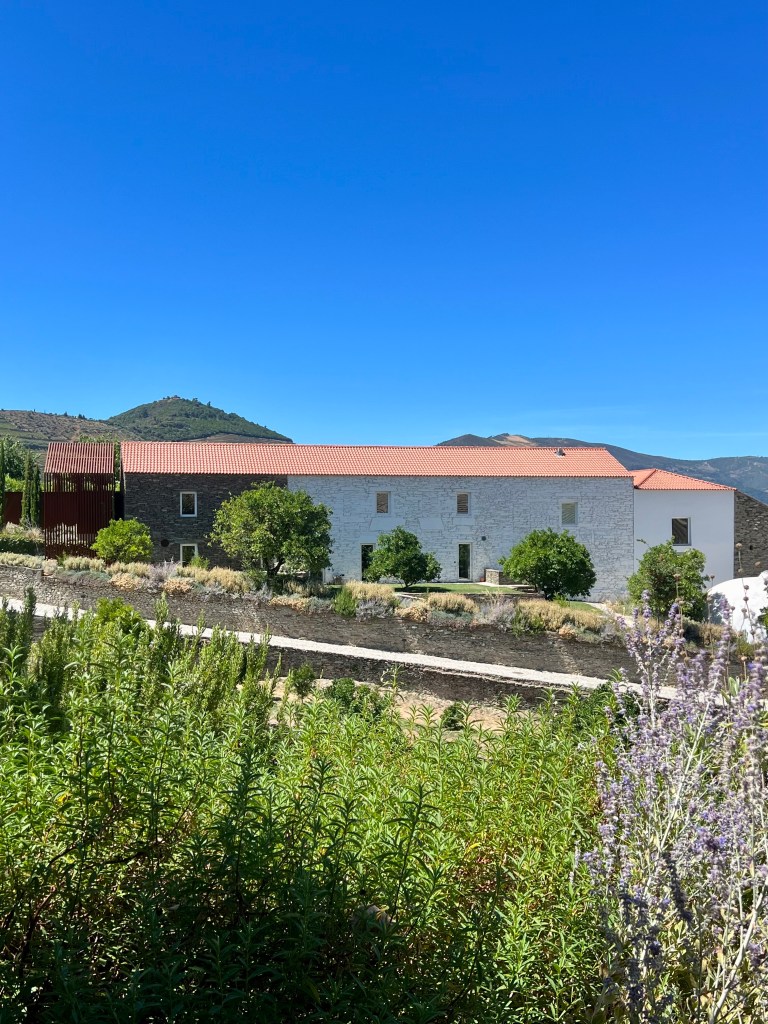
Anyway, I worked with our friends at LAB Portugal Tours to create a day-long itinerary to see the Douro. I am so glad I did. If it were not for them, we never would have eaten a life-changing meal at Cantina De Ventozelo. Walking on the terrace provided a profound sense of peace. While walking onto the property, you just knew that this was not a place where people rushed around. Coming from NYC, I welcomed what some would call the exceedingly slow pace. Our server was a Stanley Tucci-esque figure who spoke slowly and emotionally.
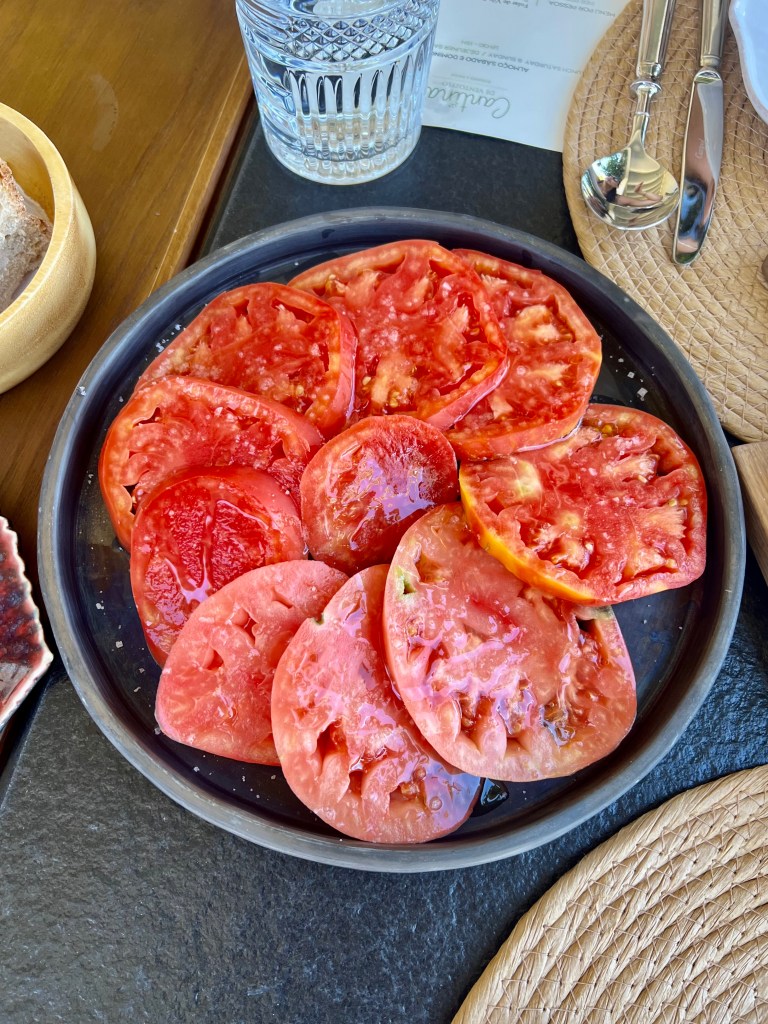
The first thing presented to us was the Douro tomatoes. My dining companion is a self-identified tomato connoisseur—obsessed with heirloom tomatoes, like every other yuppie who intermittently shops at NYC’s farmer markets. I failed to understand the hype over tomatoes and was ready to discount these, too. After all, who has heard about tomatoes from Portugal? Surely this was some kind of gimmick to entice us tourists. What a delightful surprise the tomatoes were. I think about them at least once a week, if not more. They were perfectly acidic and sweet. With some heft. Could be eaten raw, alone, or in a sandwich. Could be cooked down to make the most wonderful gazpacho or extraordinary sauce. Those who grow these tomatoes somehow prevented them from being too watery, which is the entire reason I tended to stay away from the fruit while I was growing up. After some fervent googling, I discovered that many in the Douro Valley did not know about these local heirloom tomatoes. One software engineer turned wine producer started farming these after he tasted them for the first time. He wrote that the tomatoes grew to be succulent because of the terroir. Like the grape vines, the tomato plants were forced to dig their roots deep to get water. This prevented them from being watery. The sedimentary rock that disaggregated contributed to these tomatoes, too. There were micronutrients in the soil that helped produce extremely flavorful fruits and veggies. I was happy to learn that the Douro region has launched a project for the preservation of these tomatoes, which really should receive more acclaim than they currently do.

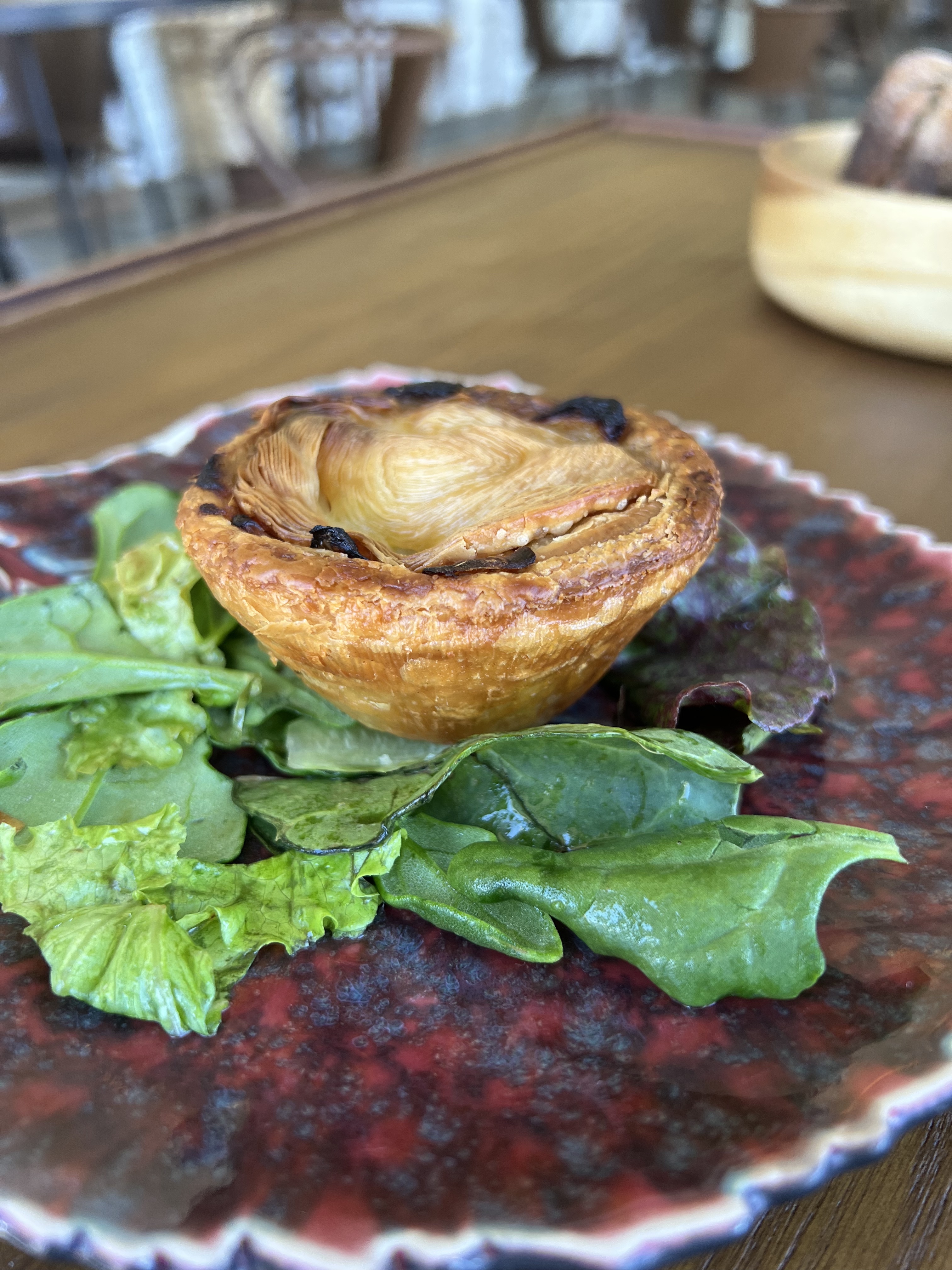
Accompanying the tomatoes was olive oil, also made in-house from olives grown on olive trees, from you guessed it, their property. Quinta De Ventozelo sells this olive oil. It is far fruitier and less grassy than Italian or Californian olive oil I have tasted. Last of our accompaniments included two savory pastries filled with mixed vegetables; I think a covilhete. Unlike the more traditional pasteis de carne, the pastry on these savory “puffs” was more like a combination of croissant and pot pie dough. The outside was perfectly crispy, with many layers peaking out. The internal vegetable filling was earthy and aromatic. A perfect way to begin a meal that continues to live in my head rent-free.
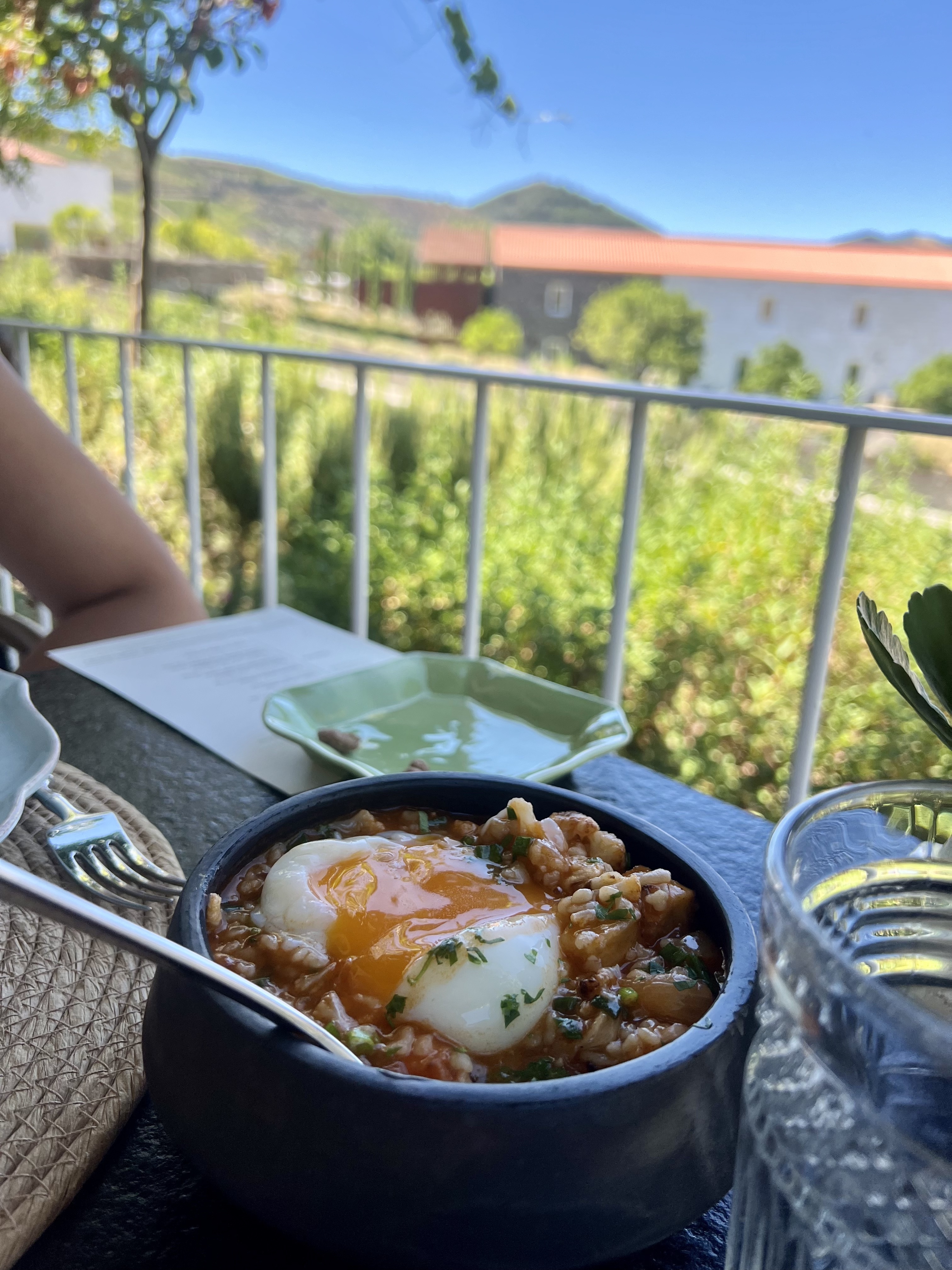
The rest of the meal was just as excellent. My vegetarian entrée was a spin on arroz de cenouras, loosely translated to carrot rice. Our server told us that the rice was cooked in carrot broth as well. The carrots came through and reminded me why my childhood favorite dessert was gajjar ka halwa. The slightly sweet, slightly spicy undertones of the starchy vegetable elevate most dishes in warmer climates. The bitter undertones cut any excess salt and give you the whole round mouthfeel that a great dish creates.
What would such a meal in the Douro be without the accompanying wine? The one I want to share is the one that was most novel to me and my dining companion: a Dalva 20-year-old dry white port. I was not as familiar with white port so this was exciting. An amber color with a slight toffee smell, the 20-year Dalva, in my opinion, is the Portuguese answer to the French Henri Giraud’s Ratafia. The Dalva has a deeper tasting profile. The tasting notes dictate that it has notes of citrus—I did not pick up on that. The tasting note that came through the most was honey. You could drink this on a warm day in the sun like we did, but also on a Fall evening as you’re thinking about warm spices.

It was evident to me that such wine and food could not be created with less time, with a “better” vintner, or a “better” chef. This meal taught me the importance of the most valuable and non-renewable resource we have. The Douro’s hillsides and quintas were established through time. It is difficult, if not impossible, to speed up nature’s process of how the vines and plants grow, and get the same quality of products. That is not what the people in Douro are after. They are trying to share something more ephemeral. How to be one with yourself as you encounter new terrain? How do you wrestle with your internal thoughts as you gaze and think about how much time has passed since the last time you were truly happy? I know how I prefer to think about life’s big questions—with Douro tomatoes and a port & tonic in hand.


Great post about Ventozelo!
LikeLike
It’s tempting to draw from these tomatoes lessons for humans: resiliency, for instance, or the beauty of taking only what you need. Maybe it’s enough to take a bite and experience the land’s quiet bounty.
Let’s port and tonic and summer tomato soon.
LikeLike